Creating a relaxing home environment is essential for supporting your daily wellbeing. In a world that often feels busy and overwhelming, having a calming space to retreat to can make a big difference in how you feel physically and mentally. This guide offers practical tips to help you transform your living space into a haven of peace and comfort.
Why a Relaxing Home Environment Matters
Your home is more than just a place to sleep; it’s your sanctuary. The atmosphere you create influences your mood, energy levels, and overall health. A peaceful environment can reduce stress, improve sleep quality, and increase feelings of happiness and relaxation. By mindful design and small lifestyle adjustments, you can make your home a source of calm.
Declutter and Organise
Clear the Space, Clear the Mind
Clutter often contributes to feelings of anxiety and distraction. Start by sorting through your belongings and deciding what to keep, donate, or discard. Organising your space:
– Creates a sense of order and control
– Makes daily routines smoother
– Helps maintain a calm visual environment
Use storage solutions like baskets, shelves, or boxes to keep items tidy but accessible.
Choose Soothing Colours
The Power of Colour on Mood
Colours have a powerful impact on our emotions. For a relaxing atmosphere, opt for soft, neutral tones such as:
– Pale blues
– Warm beiges
– Sage greens
– Soft greys
These colours promote calm and provide a restful backdrop. Avoid harsh, bright colours in main living or sleeping areas as they can feel overstimulating.
Incorporate Natural Elements
Bring the Outdoors In
Nature has a calming effect on the mind. Adding natural elements can help you feel grounded and relaxed.
– Plants: Indoor plants improve air quality and add life to a room. Easy-care options like snake plants or pothos are ideal for beginners.
– Natural materials: Use wood, stone, or cotton in your furniture and accessories for an organic feel.
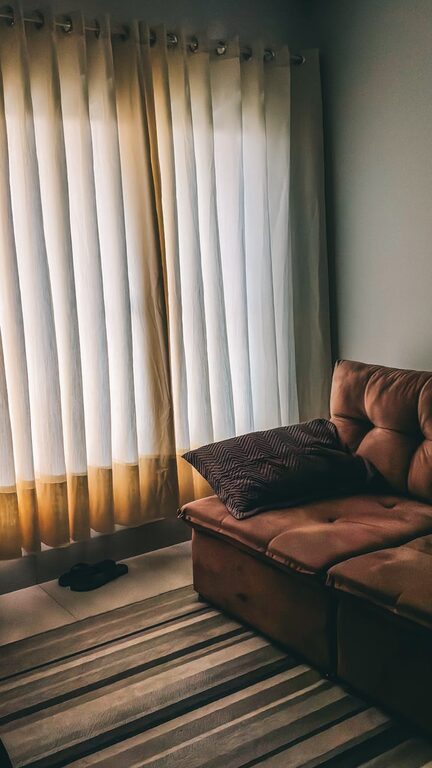
– Natural light: Maximise daylight by keeping windows clear and using light, airy curtains.
Create Comfortable Zones
Design Spaces for Rest and Relaxation
Consider how you use each room and create cosy areas dedicated to relaxing activities.
– Reading nook: A comfy chair, good lighting, and a small side table can make a perfect reading spot.
– Meditation or yoga area: Keep it uncluttered with a mat, cushions, and maybe a candle or incense.
– Bedroom: Invest in quality bedding and keep electronics to a minimum to promote better sleep.
Use Soft Lighting
Light Matters
Lighting affects your body’s internal clock and mood. Harsh overhead lights can feel jarring, especially in the evening.
– Use lamps with warm bulbs for a gentle glow.
– Consider dimmable lights to adjust brightness according to the time of day.
– Candles or fairy lights add warmth and create a soothing atmosphere but ensure they are used safely.
Incorporate Relaxing Scents
Aromatherapy at Home
Certain scents are known to have calming properties.
– Lavender, chamomile, and sandalwood can reduce stress and promote sleep.
– Use essential oil diffusers, scented candles, or natural potpourri.
– Ensure the scents are subtle and not overpowering.
Limit Noise Pollution
Create a Peaceful Soundscape
Noise can interrupt relaxation and sleep. Try to limit sources of noise pollution by:
– Using rugs and soft furnishings to absorb sound.
– Playing gentle background music, nature sounds, or white noise to mask disruptive noises.
– Closing windows or using double glazing if external noises are frequent.
Manage Technology Use
Digital Detox in Your Living Space
Technology can be a source of distraction and stress, especially when used excessively in the home.
– Designate tech-free zones, especially in the bedroom and relaxation areas.
– Keep mobile phones and screens out of sight during relaxation or meal times.
– Use apps or settings to limit notifications after a certain hour to help wind down.
Incorporate Personal Touches
Make the Space Truly Yours
Add items that bring you joy or comfort, such as:
– Family photos or artwork
– Favourite books or magazines
– Meaningful souvenirs from travels
These personal touches help create an environment that feels nurturing and unique.
Establish a Routine
Consistency Supports Calmness
Creating a regular routine around your home environment can reinforce relaxation.
– Set times for tidying up to keep the space pleasant.
– Establish wind-down rituals, like lighting a candle or reading before bed.
– Regularly refresh plants or textiles to maintain a feeling of care and attention.
—
Creating a relaxing home environment doesn’t require a complete makeover. Small changes and conscious decisions can transform your space into a calm retreat that boosts your daily wellbeing. Remember, the goal is to create a space that feels comfortable and nurturing for you. Invest time in shaping your home, and you’ll likely notice positive effects on your mood and stress levels.
Enjoy crafting a peaceful haven — your wellbeing will thank you for it!
About the Author