Working from home has become increasingly common, offering flexibility and convenience. However, creating a productive home office environment is key to making the most of your workday. A well-designed workspace can help you stay focused, reduce distractions, and maintain a healthy work-life balance. Here are some essential tips to help you set up a productive home office.
Choose the Right Space
Your workspace can greatly impact your productivity. Ideally, choose a quiet area in your home that is dedicated solely to work. Avoid spots where you usually relax or sleep, like the bedroom or sofa, as this can blur the lines between work and rest.
If space is limited, consider setting up a compact area in a corner or a room divider to clearly separate your office from living areas. Good lighting and ventilation are also important factors, so try to position your desk near a window if possible.
Invest in Ergonomic Furniture
Comfort plays a big role in your ability to concentrate over extended periods. An ergonomic chair and desk can help prevent physical strain and promote good posture.
Look for chairs that provide adjustable height, lumbar support, and comfortable cushioning. Your desk should be the right height for typing and writing without hunching. Using an adjustable monitor stand or laptop riser can help ensure your screen is at eye level, reducing neck and eye strain.
Keep Your Workspace Organised
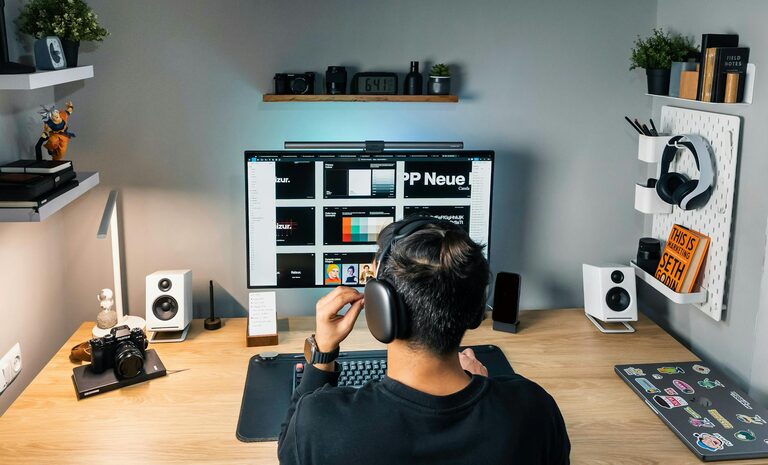
A clutter-free desk can make a big difference in how focused and productive you feel. Start by removing unnecessary items and investing in simple storage solutions like shelves, filing cabinets, or desk organisers.
Regularly sort through your paperwork and digital files to avoid build-up. Cable organisers can help keep wires tidy and prevent distractions from tangled chargers or cords.
Optimise Lighting
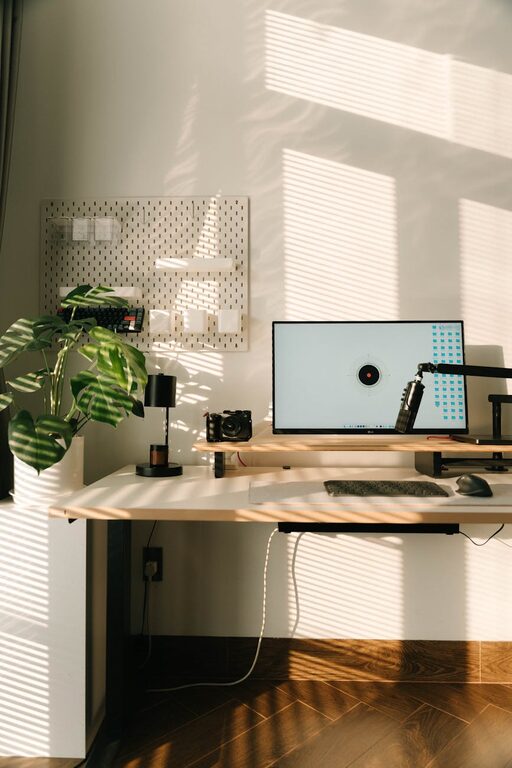
Natural light is best for maintaining alertness and can improve your mood. Position your desk to make the most of daylight, but avoid glare on your screen by using blinds or curtains if needed.
When natural light is insufficient, use adjustable desk lamps or overhead lighting with a warm, soft glow to reduce eye strain. Avoid harsh fluorescent lighting as it can be tiring over time.
Minimise Distractions
Home environments often come with distractions like family members, pets, or household chores. Setting clear boundaries can help. Communicate your work schedule with those around you and establish “quiet times” during your focused work hours.
Using noise-cancelling headphones or playing ambient background music can also help drown out distracting sounds. If possible, keep your phone on silent or in another room during work sessions.
Develop a Routine
A consistent daily routine can train your mind to switch into work mode. Start the day at a set time, include regular breaks, and set a clear finish time to maintain work-life balance.
Use techniques like the Pomodoro method — work in focused blocks followed by short breaks. This helps maintain concentration and prevents burnout.
Personalise Your Space
A workspace that feels welcoming can boost motivation. Add personal touches like plants, artwork, or photos. Plants not only brighten the room but also improve air quality and reduce stress.
However, avoid overcrowding your desk with too many items, which can create clutter and reduce productivity.
Use Technology Wisely
Make sure your computer, internet connection, and other devices are reliable and suitable for your work. Invest in quality peripherals such as a separate keyboard and mouse if you use a laptop.
Organise your digital workspace by using folders and cloud storage to keep files accessible and backed up. Limit notifications by using “Do Not Disturb” modes during focused periods to maintain concentration.
Prioritise Comfort and Wellbeing
Taking care of your physical and mental health is vital when working from home. Use a sit-stand desk if possible, or take regular breaks to stand and stretch to reduce stiffness.
Stay hydrated and ensure your room temperature is comfortable. Incorporate short mindfulness or breathing exercises into your breaks to reduce stress.
Final Thoughts
Creating a productive home office environment takes some planning and effort, but the benefits are well worth it. By choosing the right space, investing in comfort and organisation, and minimising distractions, you can create a workspace that helps you do your best work every day.
Remember, a good home office adapts to your needs and supports both your focus and wellbeing. With these tips, you’re well on your way to designing a workspace that works for you.
About the Author