Creating a relaxing garden space at home can transform your outdoor area into a sanctuary where you can unwind, enjoy nature, and recharge. Whether you have a large backyard or a small balcony, a few thoughtful touches can make your garden a calming retreat. In this post, we’ll explore practical tips to help you design a relaxing home garden space that suits your lifestyle.
Why Create a Relaxing Garden Space?
Gardens are more than just pretty places. Spending time outdoors among plants has been shown to reduce stress and boost mood. A well-designed garden can also provide a private escape from the hustle and bustle of daily life, offering a place to read, meditate, or enjoy time with family and friends.
Planning Your Garden Space
Before diving into planting and decorating, it’s important to plan your garden area carefully.
Assess Your Space
– Size and shape: Consider how much room you have to work with and the shape of the area.
– Sunlight: Observe how much sunlight different areas receive throughout the day. This will help you choose suitable plants.
– Privacy: Think about natural or added barriers like hedges or screens to create a sense of enclosure.
– Accessibility: Ensure pathways and seating areas are easy to reach and comfortable.
Define Your Purpose
Ask yourself what you want from your garden space. Do you wish to grow flowers, vegetables, or both? Or is the garden mainly for relaxation and socialising? Knowing this will influence your design choices.
Choosing the Right Plants
Plants are essential for creating a soothing atmosphere, but the right choices depend on your local climate and garden conditions.
Opt for Low-Maintenance Plants
If you prefer minimal upkeep, choose hardy, drought-resistant plants that thrive in your area. Examples include lavender, rosemary, and ornamental grasses.
Incorporate Aromatic Plants
Fragrant plants such as jasmine, gardenias, or mint can add a calming scent that enhances relaxation.
Use a Variety of Textures and Colours
Mix different leaf shapes and flower colours to add visual interest without overwhelming the senses.
Consider Seasonal Interest
Plan for plants that bloom or look attractive at different times of the year to keep your garden inviting all year round.
Creating Relaxing Features
Adding certain features can elevate your garden into a true haven.
Comfortable Seating
Invest in weather-proof furniture like benches, hammocks, or cushioned chairs where you can sit comfortably for long periods.
Water Elements
A small fountain, birdbath, or pond can add the soothing sound of water, which many find very relaxing.
Shade and Shelter
Install pergolas, umbrellas, or plant trees to provide shade on sunny days and protection from wind or light rain.
Soft Lighting
Use solar lights, lanterns, or fairy lights to create a warm, inviting glow in the evenings.
Designing Pathways and Layout
Paths help structure your garden and guide visitors through the space.
– Use natural materials like gravel, stone, or wood chips for a relaxed feel.
– Curved paths tend to create a more peaceful, flowing atmosphere compared to straight lines.
– Make sure paths are wide enough and easy to walk on safely.
Adding Personal Touches
Your garden should reflect your tastes and personality.
– Display favourite artworks or decorative items that can withstand outdoor conditions.
– Include a small bookshelf or storage bench to keep garden essentials handy.
– Add wind chimes or a bird feeder to invite wildlife and create gentle sounds.
Maintaining Your Garden for Relaxation
A garden’s tranquillity depends on its upkeep.
– Schedule regular watering, weeding, and pruning to keep plants healthy.
– Clean furniture and features to maintain their appearance.
– Rotate plants or add new ones to refresh the space over time.
Tips for Small Gardens or Balconies
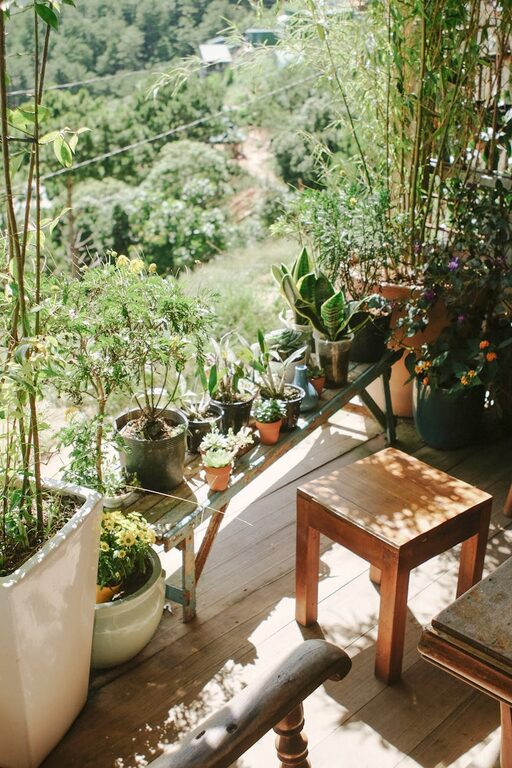
If space is limited, it’s still possible to create a relaxing garden nook.
– Use containers and vertical planters to maximise planting area.
– Choose compact plants that grow well in pots.
– Create a seating area with foldable or stackable furniture.
– Incorporate mirrors or reflective surfaces to make the space feel larger.
Final Thoughts
Designing a relaxing home garden space takes careful planning and a bit of creativity, but the rewards are well worth the effort. By selecting the right plants, adding thoughtful features, and maintaining the area, you can enjoy a peaceful retreat that helps you disconnect from daily stresses and connect with nature.
Remember, your garden is your personal space. Take time to experiment and adjust it until it feels just right for you. Happy gardening!
About the Author